Skip to:


Experiencing bad breath can be uncomfortable and affect your confidence in social situations. While it's a common concern, understanding the facts behind it is key to effective management. Many misconceptions surround bad breath, often leading to ineffective solutions. Let's explore and debunk five common myths to help you achieve lasting fresh breath.
Key Takeaways for Fresh Breath
- Bad breath is common and manageable: Most cases are linked to oral hygiene, not just diet or stomach issues.
- Self-detection is tricky: Your own perception of bad breath can be unreliable; ask a trusted person for an honest opinion.
- Oral hygiene is paramount: Brushing, flossing, and tongue cleaning are essential for preventing odor-causing bacteria.
- Toothpaste matters: Using a fluoride toothpaste like Pepsodent Germicheck 8 helps fight germs on teeth, tongue, cheeks, and gums for lasting freshness.
- Mouthwash is a supplement: While helpful, mouthwash should complement, not replace, thorough brushing and flossing.
- Seek professional advice: If chronic bad breath persists, consult a dentist or doctor to rule out underlying medical conditions.
For comprehensive daily oral care, consider using a fluoride toothpaste like Pepsodent Germicheck 8. This advanced formula is designed to fight germs not only on your teeth but also on your tongue, cheeks, and gums, providing whole mouth protection. It offers benefits including 12 hours of fresh breath, supported by natural ingredients like clove and neem oil, and CPC technology to combat germs that contribute to bad breath.
Myth 1: Bad breath only comes from the foods we eat.
While certain foods like garlic and onion can temporarily affect your breath, this is usually a short-lived effect. Persistent or chronic bad breath, often referred to as halitosis, is typically linked to the accumulation of volatile sulfur compounds. These are produced by anaerobic bacteria that thrive on the back of your tongue due to inadequate oral hygiene. Addressing these bacteria is crucial for long-term fresh breath.
Myth 2: You can easily tell if you have bad breath.
It's a common belief that you can detect your own bad breath by cupping your hands over your mouth and nose, but this method is often unreliable. The odor-causing bacteria reside at the back of your mouth, and the smell is primarily noticeable when you speak. If you're concerned about your breath, the most accurate way to find out is to ask a trusted friend or family member for an honest assessment.
Myth 3: Bad breath always originates in the stomach.
While gastrointestinal issues can occasionally contribute to bad breath, they are not the primary cause in most cases. Research indicates that approximately 85% of bad breath concerns stem from the mouth itself, particularly from bacteria hiding on the surface of the tongue. This highlights the importance of thorough oral hygiene, including regular tongue cleaning with a scraper, to achieve fresher breath.
Recommended Pepsodent Products for Fresh Breath
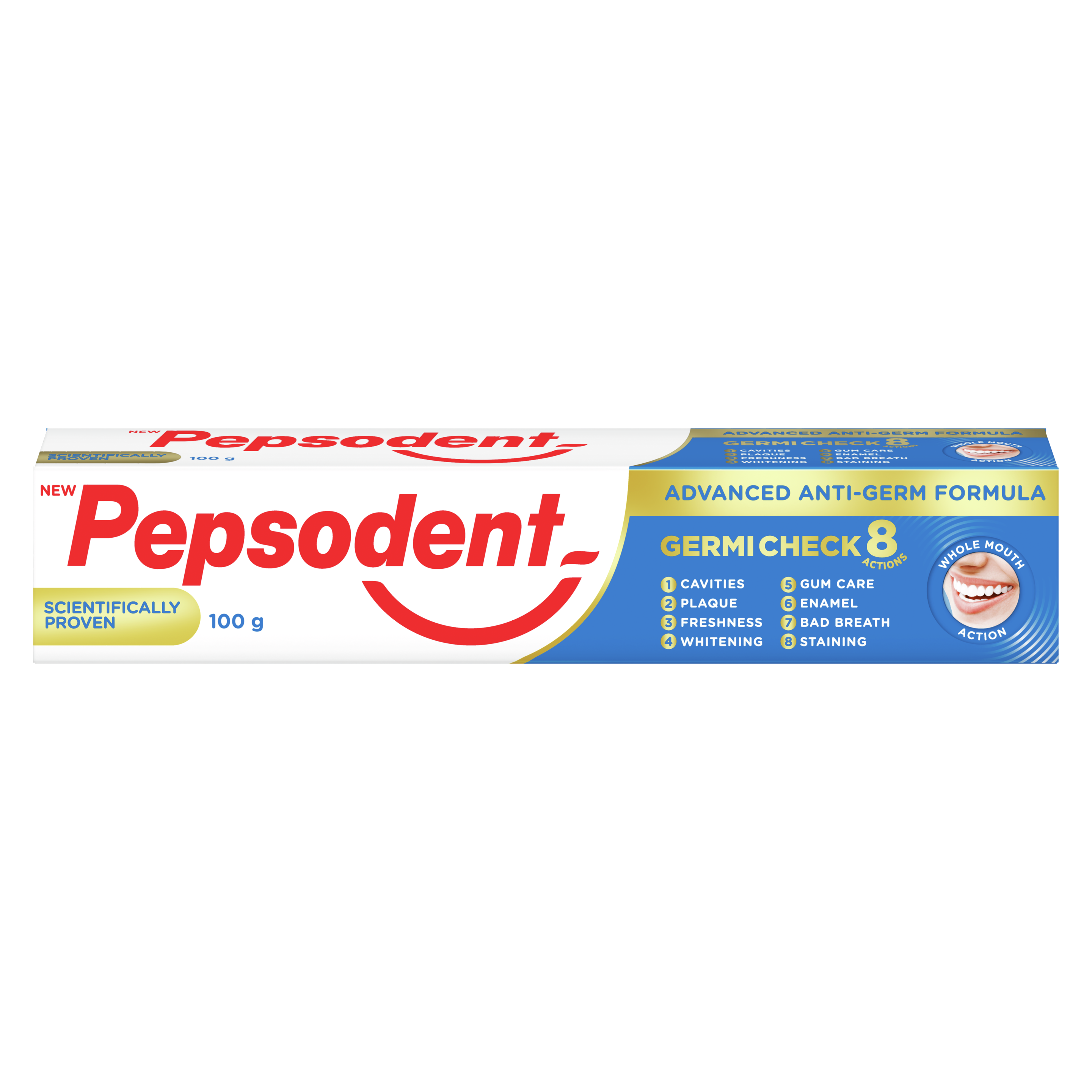
Choose New Pepsodent Germicheck 8 Actions toothpaste for the family’s whole mouth protection.
It contains an advanced anti-germ formula with CPC technology, clove and neem oil that fights germs not only on your teeth, but on other parts of the mouth as well – your tongue, cheeks, and gums, to give you 8 scientifically proven benefits for the whole mouth.
1. Cavity protection
2. Removal of plaque
3. Fights bad breath
4. Healthy gums
5. White Teeth
6. Gives Fresh breath
7. Protects the Enamel
8. Protects teeth from staining
It contains an advanced anti-germ formula with CPC technology, clove and neem oil that fights germs not only on your teeth, but on other parts of the mouth as well – your tongue, cheeks, and gums, to give you 8 scientifically proven benefits for the whole mouth.
1. Cavity protection
2. Removal of plaque
3. Fights bad breath
4. Healthy gums
5. White Teeth
6. Gives Fresh breath
7. Protects the Enamel
8. Protects teeth from staining
- slide 1
Myth 4: Brushing alone guarantees fresh breath.
While brushing is fundamental, simply brushing your teeth might not be enough to eliminate all sources of bad breath. It's crucial to ensure your brushing technique is effective and that you brush thoroughly twice a day with a fluoride toothpaste. Regular brushing helps remove food particles and plaque, which are breeding grounds for odor-causing bacteria.
For enhanced protection against bad breath, consider using Pepsodent Germicheck. Its advanced CPC technology is designed to fight germs for up to 12 hours, providing not just fresh breath but also comprehensive whole mouth action against bacteria.
Myth 5: Mouthwash is a complete solution for bad breath.
Mouthwashes can certainly help in reducing germs and bacteria that contribute to bad breath, offering a temporary feeling of freshness. However, they are not a substitute for mechanical cleaning. Food particles and plaque can still remain in hard-to-reach areas, requiring thorough brushing and flossing to remove them effectively. For optimal oral health and sustained fresh breath, brushing day and night with a fluoride toothpaste is essential.
If you experience persistent or chronic bad breath, it's advisable to consult your dentist or doctor. While often manageable with good oral hygiene, it could sometimes indicate an underlying medical condition. Rest assured, whether your bad breath is chronic or temporary, it's generally easy to control with consistent daily care and the right oral hygiene practices.
Achieve Lasting Fresh Breath and Confidence
Debunking these common myths about bad breath empowers you to take control of your oral health. Remember, consistent and thorough oral hygiene, including brushing twice daily with a fluoride toothpaste like Pepsodent Germicheck 8 and cleaning your tongue, is your best defense against bad breath. By understanding the true causes and adopting effective practices, you can enjoy lasting fresh breath and the confidence that comes with it. Don't let misconceptions stand in the way of your oral well-being.
Frequently Asked Questions About Bad Breath
The primary cause of bad breath, or halitosis, is often the accumulation of odor-producing bacteria in the mouth, particularly on the back of the tongue. These bacteria break down food particles and produce volatile sulfur compounds. Other factors can include poor oral hygiene, dry mouth, gum disease, and certain foods.
Pepsodent Germicheck toothpaste is formulated with CPC technology and natural ingredients like clove and neem oil. It works to fight germs not just on your teeth, but also on your tongue, cheeks, and gums, providing comprehensive whole mouth protection. This helps reduce the bacteria that cause bad breath, offering up to 12 hours of fresh breath.
While gastrointestinal issues can occasionally contribute to bad breath, it's a common myth that the stomach is the primary source. In most cases (about 85%), bad breath originates in the mouth due to bacteria. If you suspect your bad breath is related to stomach problems, it's best to consult a doctor.
The most reliable way to determine if you have bad breath is to ask a close and trusted friend or family member for an honest opinion. Self-tests like cupping your hands over your mouth are often inaccurate because you quickly adapt to your own breath odor.
Mouthwash can provide temporary relief and help reduce odor-causing bacteria, but it's not a complete solution. It should be used as a supplement to a thorough oral hygiene routine that includes brushing twice daily with fluoride toothpaste and flossing. Mouthwash alone cannot remove all food particles or plaque that contribute to bad breath.