Skip to:

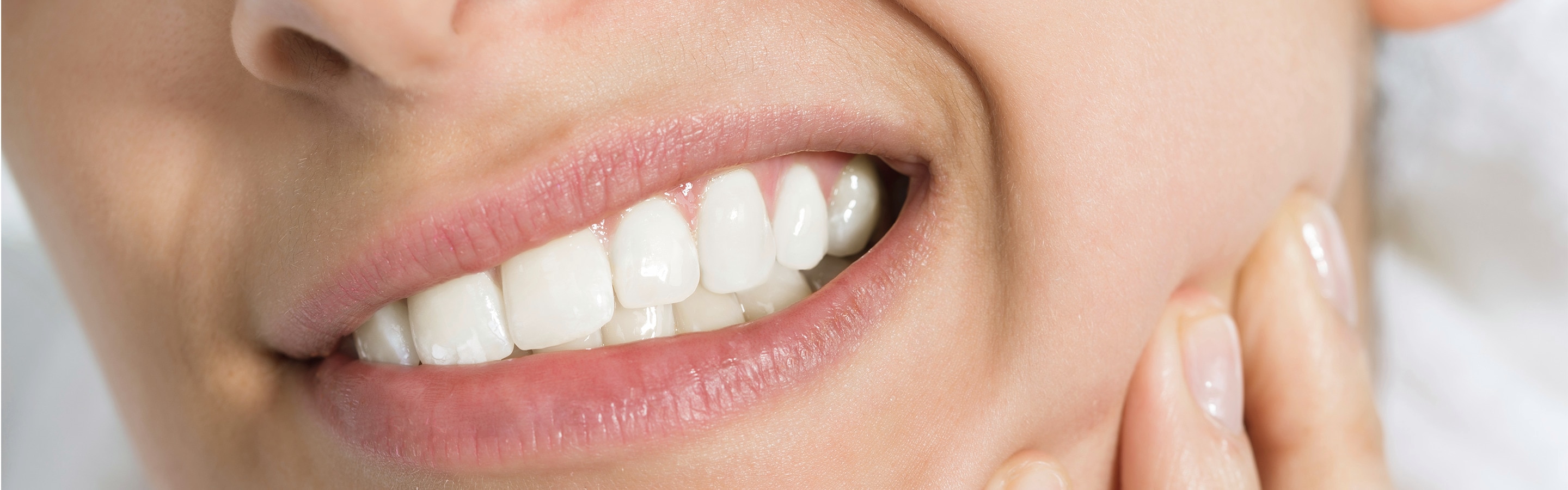
Maintaining optimal oral health is crucial for a confident smile and overall well-being. Dental cavities, a common yet preventable issue, can lead to discomfort and more serious dental problems if left unaddressed. Understanding the causes of tooth decay and implementing effective preventive measures is key to safeguarding your teeth. This guide provides comprehensive insights and practical tips to help you prevent dental cavities and maintain a healthy, vibrant smile with the support of Pepsodent.
Key Takeaways for Cavity Prevention:
- Understanding Tooth Decay: Learn how plaque bacteria produce acid, demineralizing enamel and forming cavities, emphasizing the importance of early intervention.
- Early Detection is Vital: Regular dental check-ups are essential for detecting cavities early, often before visible symptoms, allowing for simpler and more effective treatment.
- Effective Daily Oral Care: Implement a rigorous routine including brushing twice daily with fluoride toothpaste like Pepsodent Germicheck 8 and daily flossing to remove plaque.
- Dietary Choices Matter: Reduce consumption of sugary drinks and starchy foods to minimize acid production and protect your tooth enamel from decay.
- Comprehensive Protection: Combine daily oral hygiene with professional dental sealants and regular check-ups for robust, long-term cavity prevention.
Understanding Tooth Decay and Its Development
Tooth decay is a gradual process that, if not addressed, can lead to the formation of a cavity (a small hole) in the tooth. This process begins when bacteria in your mouth combine with food particles to form a sticky film called plaque. When you consume sugary or starchy foods, the bacteria in plaque produce acids that can demineralize the hard, protective outer layer of your teeth, known as enamel. Over time, this demineralization can create a soft spot or a cavity. If a cavity deepens, it can reach the softer inner layers of the tooth, potentially causing significant discomfort and even tooth loss if it progresses to the tooth pulp. Regular oral hygiene and a balanced diet are essential to prevent this progression.
Recognizing the Symptoms of Tooth Decay
While some cavities may appear as a black or brown spot, many are not visible to the naked eye and are only detectable through dental X-rays. This highlights the importance of consistent dental check-ups. Key indicators that may suggest the presence of tooth decay include:
- Persistent bad breath or an unpleasant taste in the mouth.
- Increased tooth sensitivity, especially to hot or cold temperatures, or sweet foods and drinks.
- Pain that intensifies when exposed to heat, cold, or sugary items.
- The appearance of a chalky white spot on a tooth, which can be an early sign of enamel demineralization.
Effective Approaches to Treating Tooth Decay and Cavities
The treatment for tooth decay and cavities varies based on their severity. Your dental professional may recommend one of the following interventions:
- Fluoride Application: For very small cavities or as a preventive measure, a fluoride paste and varnish can be applied to help remineralize the enamel.
- Fillings, Crowns, or Caps: If the decay has created a noticeable cavity, the decayed material will be removed and replaced with a filling, or a crown/cap for more extensive damage.
- Root Canal Treatment: In cases where the decay has reached the tooth's nerve, a root canal may be necessary. This procedure involves removing infected tissue, cleaning and sealing the root canal, and often placing a crown to protect the tooth.
Your Guide to Preventing Tooth Decay and Cavities
Comprehensive Cavity Prevention Methods (2026)
|
Prevention Method |
How It Works |
Key Benefits |
Best For |
Frequency |
|---|---|---|---|---|
| Fluoride Toothpaste (Pepsodent Germicheck 8) |
Advanced anti-germ formula with CPC technology, clove and neem oil fights germs on teeth, tongue, cheeks, and gums. |
|
Daily prevention for all ages, families seeking comprehensive oral care. |
At least twice daily for 2 minutes. |
| Daily Flossing |
Removes food particles and bacteria from hard-to-reach areas between teeth. |
|
Everyone, especially those with tight tooth spacing. |
At least once daily. |
| Mouthwash (Pepsodent) |
Rinses away remaining bacteria and freshens breath after brushing. |
|
Supplementary protection after brushing and flossing. |
After brushing. |
| Dietary Changes |
Reducing sugary drinks and starchy foods limits acid production from plaque bacteria. |
|
Everyone, especially those prone to cavities. |
Ongoing lifestyle change. |
| Dental Sealants |
Protective coatings applied to chewing surfaces of back teeth. |
|
Children and adults with deep grooves in molars. |
Long-lasting (years). |
| Regular Dental Check-ups |
Professional examination and X-rays detect cavities early, often before visible symptoms. |
|
Everyone for preventative care and early intervention. |
Every 6-12 months. |
Empower Your Smile Against Cavities
Preventing dental cavities is an achievable goal with consistent effort and the right oral care routine. By understanding the causes of tooth decay and actively implementing preventive measures, you can protect your enamel and maintain a healthy, vibrant smile. Incorporating products like Pepsodent Germicheck 8 into your daily regimen, alongside regular dental check-ups, forms a powerful defense against cavities. Take proactive steps today to ensure your teeth remain strong, healthy, and cavity-free for years to come.
Frequently Asked Questions About Cavity Prevention
For optimal cavity prevention, brush your teeth at least twice daily for two minutes each time. Using a fluoride toothpaste, such as Pepsodent Germicheck 8, helps remove plaque and strengthens enamel, significantly reducing the risk of tooth decay.
Very early stages of tooth decay, often appearing as white spots, can sometimes be reversed with fluoride treatments applied by a dentist. However, once a cavity has formed a hole in the enamel, it typically requires professional dental intervention like fillings, crowns, or root canal treatment.
To protect your teeth from decay, it's advisable to limit sugary drinks, candies, and starchy snacks. These foods contribute to plaque formation and acid production in the mouth, which can erode tooth enamel and lead to cavities.
Pepsodent Germicheck 8 is formulated with CPC technology, neem, and clove oil to fight germs across your entire mouth – teeth, tongue, cheeks, and gums. It offers 8 scientifically proven benefits, including effective cavity protection and plaque removal, contributing to a healthier mouth.
Early signs of tooth decay can include increased tooth sensitivity to hot or cold, persistent bad breath, or a chalky white spot on the tooth surface. Regular dental check-ups are crucial as many cavities are only visible on X-rays in their initial stages.
Yes, dental sealants are highly effective for preventing cavities, especially on the chewing surfaces of back teeth. They create a protective barrier that prevents food particles and bacteria from settling in the grooves, making it harder for decay to start.
Explore Pepsodent's Cavity Protection Range
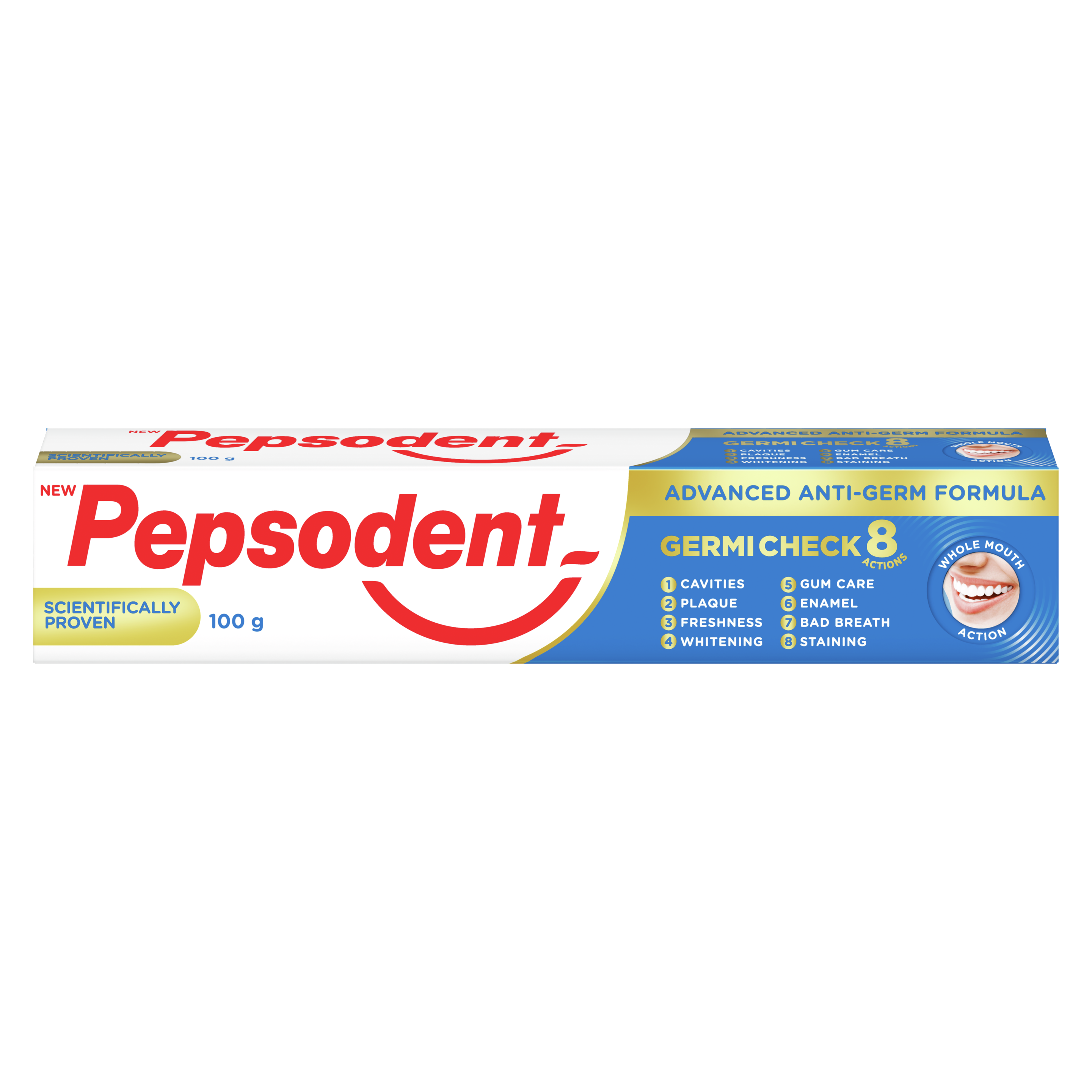
Choose New Pepsodent Germicheck 8 Actions toothpaste for the family’s whole mouth protection.
It contains an advanced anti-germ formula with CPC technology, clove and neem oil that fights germs not only on your teeth, but on other parts of the mouth as well – your tongue, cheeks, and gums, to give you 8 scientifically proven benefits for the whole mouth.
1. Cavity protection
2. Removal of plaque
3. Fights bad breath
4. Healthy gums
5. White Teeth
6. Gives Fresh breath
7. Protects the Enamel
8. Protects teeth from staining
It contains an advanced anti-germ formula with CPC technology, clove and neem oil that fights germs not only on your teeth, but on other parts of the mouth as well – your tongue, cheeks, and gums, to give you 8 scientifically proven benefits for the whole mouth.
1. Cavity protection
2. Removal of plaque
3. Fights bad breath
4. Healthy gums
5. White Teeth
6. Gives Fresh breath
7. Protects the Enamel
8. Protects teeth from staining
- slide 1