Skip to:

Understanding the impact of your diet on oral health is crucial, especially when dealing with sensitive teeth. Many people wonder which foods can alleviate or worsen tooth sensitivity. By identifying foods that cause tooth sensitivity, you can make informed dietary choices that contribute to the long-term health of your teeth and gums. Certain foods, often acidic or sugary, can lead to enamel erosion, plaque build-up, and mineral loss, causing discomfort. Conversely, a balanced diet rich in specific nutrients can help maintain strong, healthy teeth. Integrating a specialized toothpaste, like Pepsodent Sensitivity Repair, into your daily oral care routine can further help manage and protect against tooth sensitivity, ensuring a healthier, more comfortable smile.
Key Takeaways for Managing Sensitive Teeth
- Acidic and sugary foods are primary culprits for tooth sensitivity and enamel erosion, making them the worst choices for dental health.
- Calcium-rich and fiber-rich foods, along with whole grains and leafy greens, actively support strong, healthy teeth and can help prevent sensitivity.
- Limiting frequent snacking and rinsing your mouth with water after meals can significantly reduce the risk of acid attacks and discomfort.
- Using a specialized toothpaste like Pepsodent Sensitivity Repair helps protect against and manage existing tooth sensitivity.
- Maintaining a balanced diet and consistent oral hygiene routine is crucial for preventing dental discomfort and promoting long-term oral health.
The Worst Foods for Sensitive Teeth & Dental Care in General
Many of the foods that aren’t great for your overall health – like fizzy drinks and high sugar items – are also some of the worst foods for sensitive teeth. Foods that specifically contribute to tooth sensitivity because they are acidic and can erode enamel (leading to exposed dentin beneath) include:
Carbonated Drinks
Fizzy drinks are highly acidic, and this acid can directly damage tooth enamel. Sipping carbonated beverages throughout the day means your teeth are under constant attack, increasing the risk of sensitivity. If you choose to consume them, it’s better to drink them quickly and with food, rather than frequently on their own.
Citrus Fruit
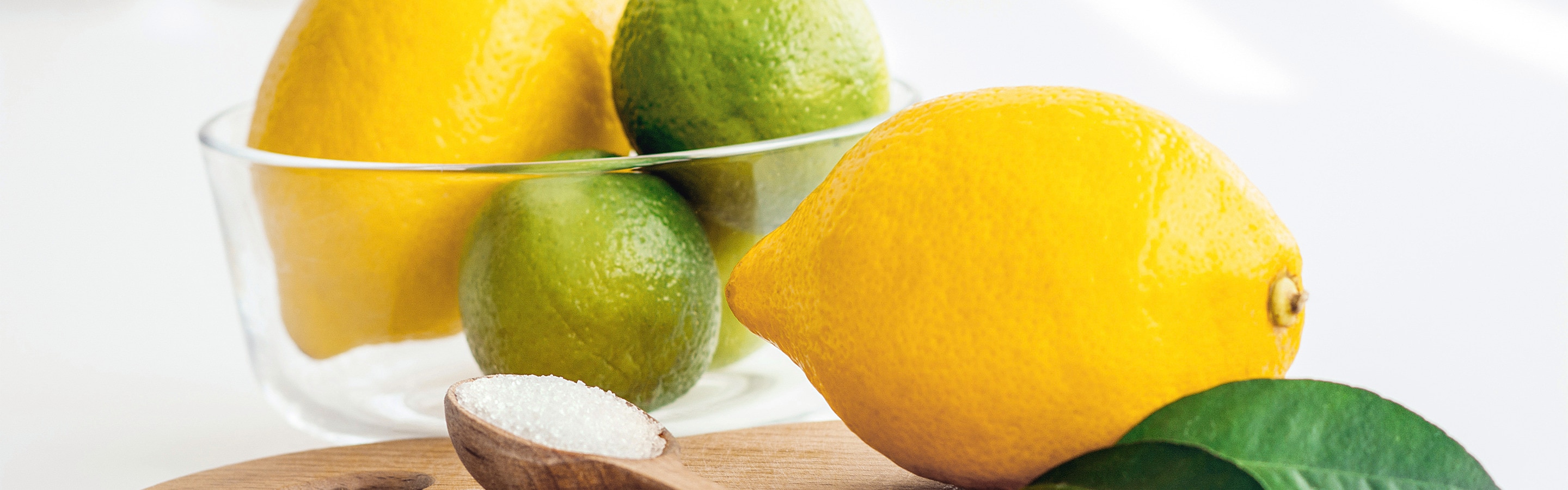
Acidic fruits like lemons, oranges, and grapefruits also contribute to mineral loss and enamel erosion. Even though they are considered healthy, they should be consumed in moderation to protect your sensitive teeth.
Coffee
Coffee can be an acidic beverage, which may lead to enamel erosion, especially with multiple cups consumed daily. Beyond acidity, coffee is also known for staining teeth due to its tannin content. Tannins cause color compounds to adhere to your teeth, potentially leaving an unwanted yellow discoloration.
Vinegary Foods
Pickled foods, often preserved in vinegar, have a high acid content. If you enjoy snacking on these, try to consume them in one sitting rather than grazing throughout the day to minimize acid exposure. If you’re experiencing tooth sensitivity, it’s wise to seek advice from your dentist and monitor your intake of these foods that can contribute to tooth sensitivity.
Sugar
It's widely known that sugar is among the worst foods for sensitive teeth. This is because the bacteria in your mouth feed on sugar, producing acids that weaken tooth enamel. Enamel is the crucial protective outer layer of your tooth; once it's gone, it cannot be regenerated, leaving your teeth vulnerable to sensitivity and decay.
Sticky Foods
The longer food or drink adheres to your teeth, the more time bacteria have to produce acid and cause damage. Sticky items such as peanut butter, raisins, and toffees can all be foods that cause tooth sensitivity. Starchy, dry foods like potato crisps and bread, which contain sugars, can also easily get trapped between your teeth, prolonging acid exposure.
The Best Foods for Healthy Teeth
A well-balanced diet is beneficial for both your overall health and the vitality of your teeth. While the foods listed below may not directly relieve existing sensitive teeth, they are excellent choices for preventing future sensitivity and maintaining robust dental health.
Calcium-Rich Foods
Calcium is an essential mineral for strong teeth because it reinforces the protective enamel layer that shields your delicate dentin. Incorporating dairy products, fortified plant-based milks, and leafy greens can significantly boost your calcium intake.
Fibre-Rich Foods
Certain fiber-rich foods can naturally increase saliva production. Saliva is a vital component of your mouth’s defense system, helping to neutralize acids and remineralize tooth enamel, thereby combating acid attacks and mineral loss. Fiber-rich foods that support healthy teeth include:
- Lentils
- Black beans
- Nuts
- Brown rice
Whole Grains
Whole grains are not only high in fiber but also provide essential B vitamins, which support your overall health, including oral health. Switching to wholegrain cereals, breads, and pastas can be a simple yet effective step to support your dental well-being.
Leafy Greens
Leafy greens like kale, spinach, and cabbage are packed with vitamins and minerals while being low in calories. They also contain folic acid and calcium, making leafy greens an excellent choice for comprehensive whole-body and oral health.
Practical Tips for a Tooth-Friendly Diet and Oral Care
Achieve a Healthier, More Comfortable Smile
Making informed dietary choices is a powerful step towards managing and preventing tooth sensitivity. By understanding which foods can erode enamel and trigger discomfort, you can proactively protect your dental health. Alongside these dietary adjustments, incorporating a specialized oral care product like Pepsodent Sensitivity Repair can provide targeted relief and protection. This toothpaste is designed to help repair sensitive areas and address sensitivity with minerals, working to stop discomfort and prevent its recurrence*. Combining mindful eating with a consistent and effective oral hygiene routine is key to maintaining healthy, pain-free teeth and gums for the long term.
* Sensitive areas refers to open dentinal tubules. Based on In vitro Study, 2019.
** With regular use as per pack instructions.
Frequently Asked Questions About Sensitive Teeth and Diet
Tooth sensitivity often occurs when the protective enamel on your teeth wears down, exposing the softer dentin underneath. This dentin contains tiny tubules that lead to the tooth's nerve. When exposed to hot, cold, sweet, or acidic foods, these tubules allow stimuli to reach the nerve, causing a sharp, sudden pain. Acidic foods and sugary items are common culprits for enamel erosion.
Absolutely. Dietary changes play a significant role in managing tooth sensitivity. By reducing your intake of highly acidic and sugary foods, you can minimize enamel erosion and protect your teeth. Conversely, incorporating foods rich in calcium and fiber can help strengthen enamel and promote saliva production, which naturally protects your teeth.
Yes, carbonated drinks, citrus juices, and even coffee can be highly acidic and contribute to enamel erosion, leading to increased sensitivity. If you consume these, it's advisable to do so in moderation, preferably with meals, and rinse your mouth with water afterward to help neutralize acids.
Using a specialized toothpaste designed for sensitive teeth, such as Pepsodent Sensitivity Repair, is highly beneficial. These toothpastes often contain ingredients that help to block the exposed dentinal tubules, providing relief from sensitivity. Regular use can also help strengthen enamel and protect against future sensitivity triggers.
While individual results may vary, many people experience noticeable improvements in tooth sensitivity within a few weeks of consistently adopting a tooth-friendly diet and maintaining a good oral hygiene routine. Continued adherence to these practices will yield the best long-term results.