Skip to:


Oil pulling has gained significant attention across various platforms as a natural approach to teeth whitening and oral hygiene. This ancient Indian folk remedy involves swishing oils, such as coconut oil, around the mouth. Proponents suggest that the oil 'pulls' out toxins and bacteria, leading to a clearer, brighter smile and improved oral health. However, it's important to note that despite its popularity, current scientific research does not provide sufficient evidence to support these claims regarding teeth whitening or substantial improvements in overall oral hygiene.
Understanding Common DIY Teeth Whitening Methods
Pepsodent Recommends for a Brighter Smile

The Pepsodent Expert Protection Pro-Whitening Toothbrush (soft) will give your teeth and gums the best oral care. Specially designed with soft bristles.
- 3-Angled neck lets the Brush reach difficult areas for a healthy, whole mouth cleanse.
- Contains Perlite - no. 1 polishing agent used by dentists.
- Stain removal for a natural white smile.
- Perlite lamella toothBrush gently polishes the teeth to remove stains with each brushing action.
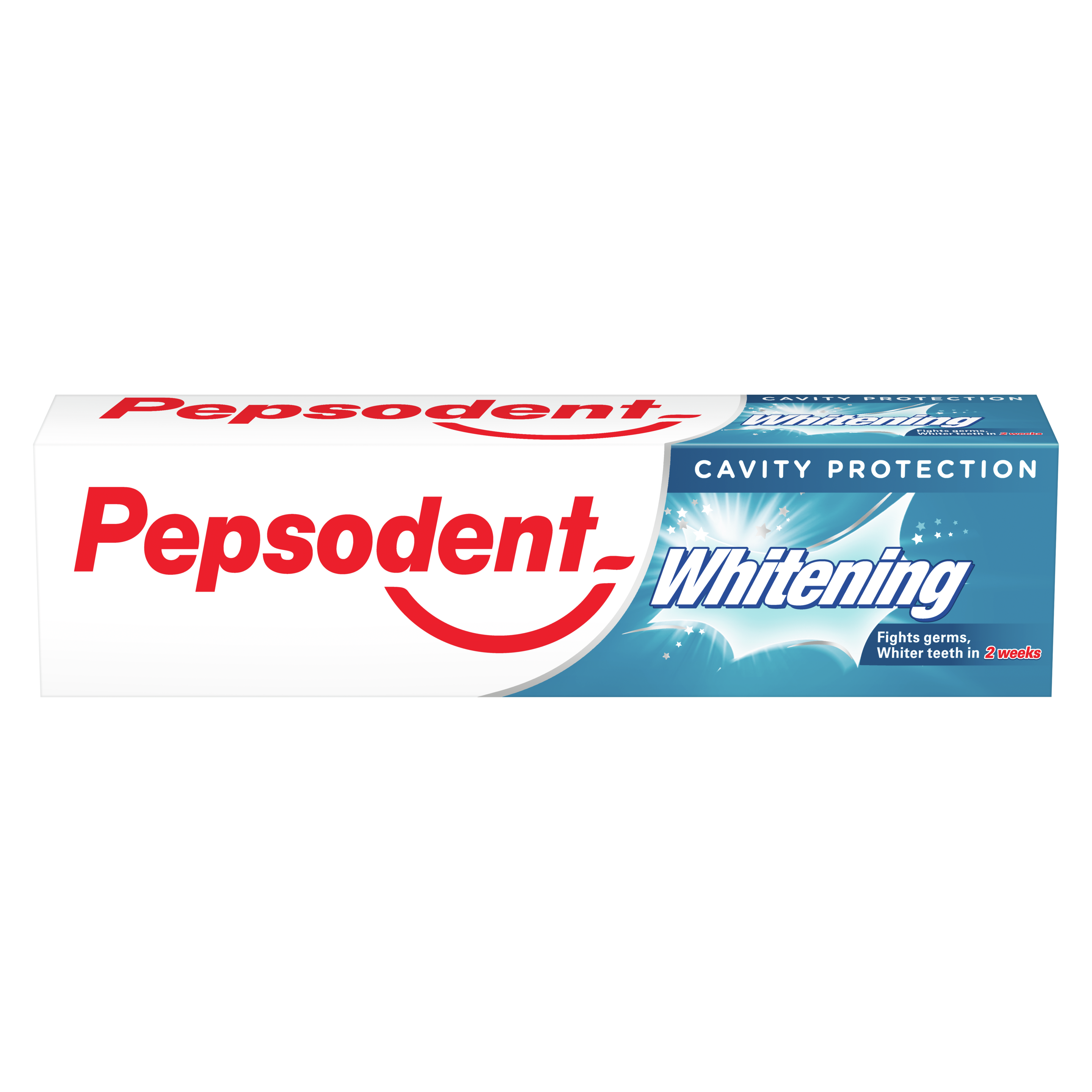
PEPSODENT TOOTH PASTE 150.000 GR
- slide 1
- slide 2
While baking soda can offer a temporary appearance of whiter teeth by removing superficial stains due to its mild abrasive nature, its use requires significant caution. Combining it with acidic agents like lemon juice, or using it too frequently, can lead to irreversible enamel erosion, increasing the risk of sensitivity and other dental issues. Similarly, the use of essential oils for teeth whitening, often promoted by natural health enthusiasts, is not advisable. Essential oils are potent and not intended for ingestion or direct application to oral tissues, lacking scientific backing for whitening and potentially posing health risks. For a truly radiant and healthy smile, it's vital to choose whitening methods that are both effective and gentle on your tooth enamel. Pepsodent White Now toothpaste, for instance, utilizes innovative Blue Light technology to provide an instant optical whitening effect. This method is designed to be safe for daily use on enamel and is recommended by dental professionals, ensuring your smile remains beautiful and protected long-term.
Comparison of Alternative Teeth Whitening Methods
|
Method |
Efficacy for Whitening |
Enamel Safety |
Scientific Support |
Recommended Use |
|---|---|---|---|---|
|
Oil Pulling |
No proven whitening effect. |
Generally safe, but no proven benefits. |
Limited to no scientific evidence for whitening. |
Not recommended for whitening. |
|
Baking Soda |
Can remove surface stains, but not true whitening. |
Potential for enamel wear if used excessively or incorrectly. |
Mild abrasive action is known, but not a comprehensive whitening solution. |
Use with extreme caution and sparingly; consult a dentist. |
|
Essential Oils |
No proven whitening effect. |
Not safe for internal use or direct application to teeth. |
No scientific basis for teeth whitening. |
Avoid for teeth whitening purposes. |
Achieve a Confident, Healthy Smile
Navigating the world of teeth whitening can be challenging with so many trends emerging. While the allure of quick fixes like oil pulling, baking soda, and essential oils is strong, it's crucial to prioritize methods that are both effective and safe for your dental health. For a truly brighter smile without compromising your enamel, consider scientifically backed solutions. Pepsodent White Now toothpaste, with its Blue Light technology, offers an instant optical whitening effect that is safe for daily use, helping you achieve a confident and healthy smile.
Frequently Asked Questions About Teeth Whitening Alternatives
While oil pulling is a traditional practice, there is currently no scientific evidence to support claims that it effectively whitens teeth or significantly improves oral hygiene. It's important to rely on proven methods for noticeable whitening results.
Baking soda can help remove superficial stains due to its mild abrasive properties, giving the appearance of whiter teeth. However, excessive or improper use can lead to enamel erosion. It should be used sparingly and with caution, ideally under dental guidance.
No, essential oils are generally not recommended for internal use or direct application to teeth for whitening. Many essential oils are potent and can be harmful if ingested or applied incorrectly, posing risks to oral health.
DIY methods like harsh abrasives or acidic substances can damage tooth enamel, leading to increased sensitivity, cavities, and long-term dental problems. Always prioritize enamel-safe and scientifically supported whitening solutions.
For safe and effective teeth whitening, consider using toothpastes specifically designed for whitening that are gentle on enamel. Products like Pepsodent White Now toothpaste use optical whitening technology to provide an instant brightening effect without harsh chemicals, making it suitable for daily use.