Skip to:


Who doesn’t love sweets and desserts? Certainly, the bacteria in our mouths do! While there's nothing wrong with an occasional treat, excessive starch and sugar in your diet can lead to increased plaque build-up. These harmful bacteria metabolize sugars to produce acids, which significantly contribute to tooth decay and compromise your dental health. Understanding the impact of your dietary choices is crucial for maintaining a healthy smile.
Fortunately, many delicious and nutritious food options can actively help combat plaque and strengthen your teeth. Let’s explore the food groups and essential nutrients that are beneficial for your dental health, helping you make informed choices for a brighter, healthier smile.
Calcium: A Foundation for Strong Teeth
Calcium is vital for developing and maintaining strong bones and teeth. Dairy products like milk, cheese, and yogurt are excellent sources of calcium, which plays a key role in strengthening tooth enamel. If you prefer non-dairy options, consider almonds, broccoli, Brazil nuts, bok choy, and dried beans, all naturally rich in this essential mineral.
Snacks Rich in Sugar: The Hidden Danger
It's best to limit sticky sweets, as the harmful bacteria in your mouth thrive on these sugars, producing acids that erode your tooth enamel. Opting for naturally sweet foods can be a great way to satisfy your cravings while protecting your teeth.
Citrus Fruits: A Balanced Approach
Citrus fruits and their juices are packed with vitamins, but not all healthy foods are equally beneficial for your teeth. Grapefruit and lemon, for instance, are highly acidic and can potentially damage tooth enamel. Enjoy them in moderation and always rinse your mouth thoroughly with water afterward to help neutralize the acids.
Starchy, Refined Carbohydrates: A Foe in Disguise
Crackers, bread, and pasta made from processed white flour can be almost as detrimental to your oral health as sugary foods. This is because starches break down into simple sugars, providing a feast for harmful bacteria. Instead, choose whole-grain flour products, which are rich in protein, fiber, B vitamins, and antioxidants, offering a much healthier alternative for your teeth.
Pepsodent Recommends for Optimal Oral Care
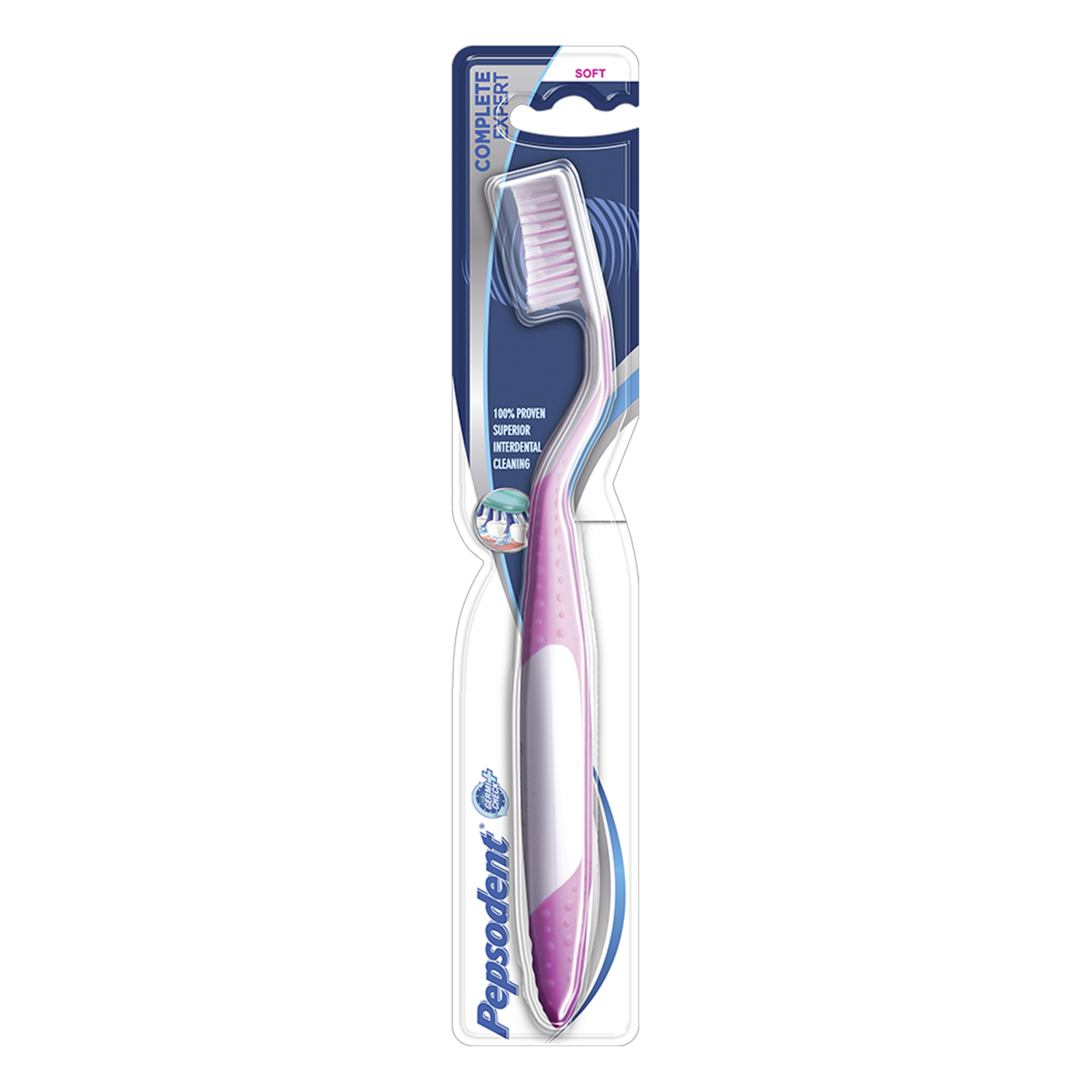
The Pepsodent Expert Pro Complete Toothbrush ensures that your oral health is maintained. The toothbrush is equipped with gentle yet effective bristles.
- 3-Angled neck lets the Brush reach difficult areas for a healthy, whole mouth cleanse.
- Unique bristles with PTFE for floss-like superior interdental cleaning action.
- Exclusive lamella toothBrush works with toothpaste to remove stains with each brushing action.
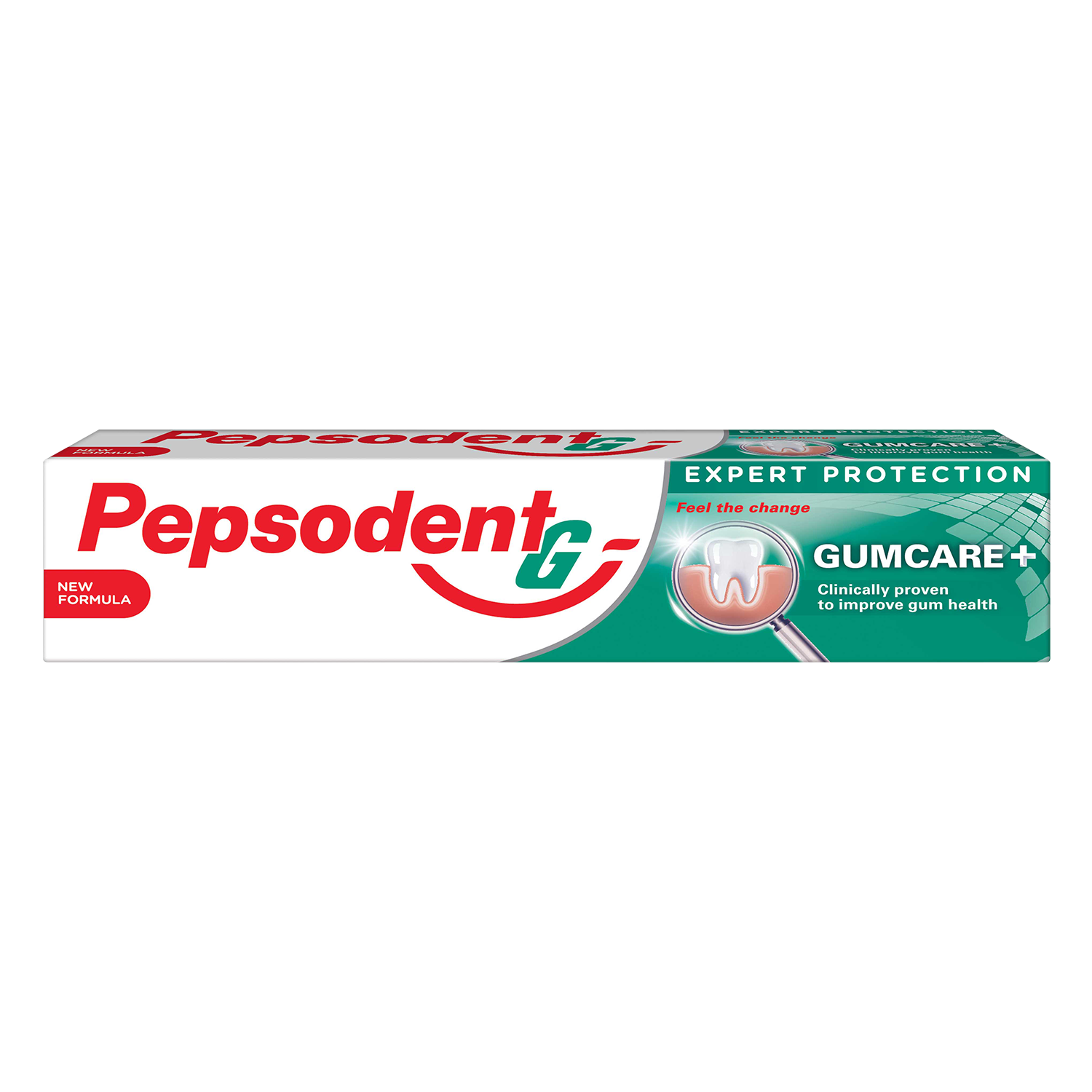
PEPSODENT TOOTH PASTE 140.000 GR

PEPSODENT TOOTH PASTE 150.000 GR
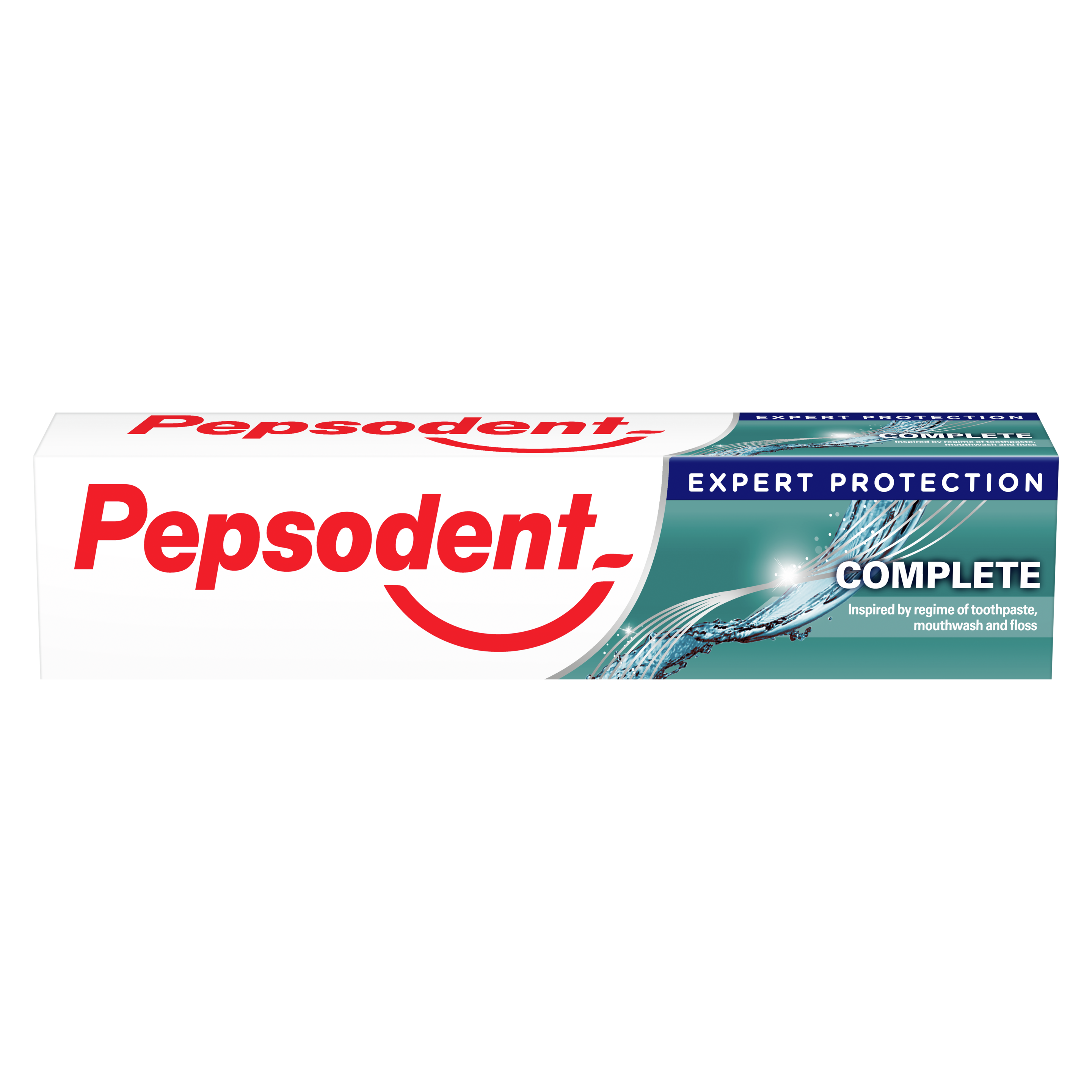
PEPSODENT TOOTH PASTE 140.000 GR
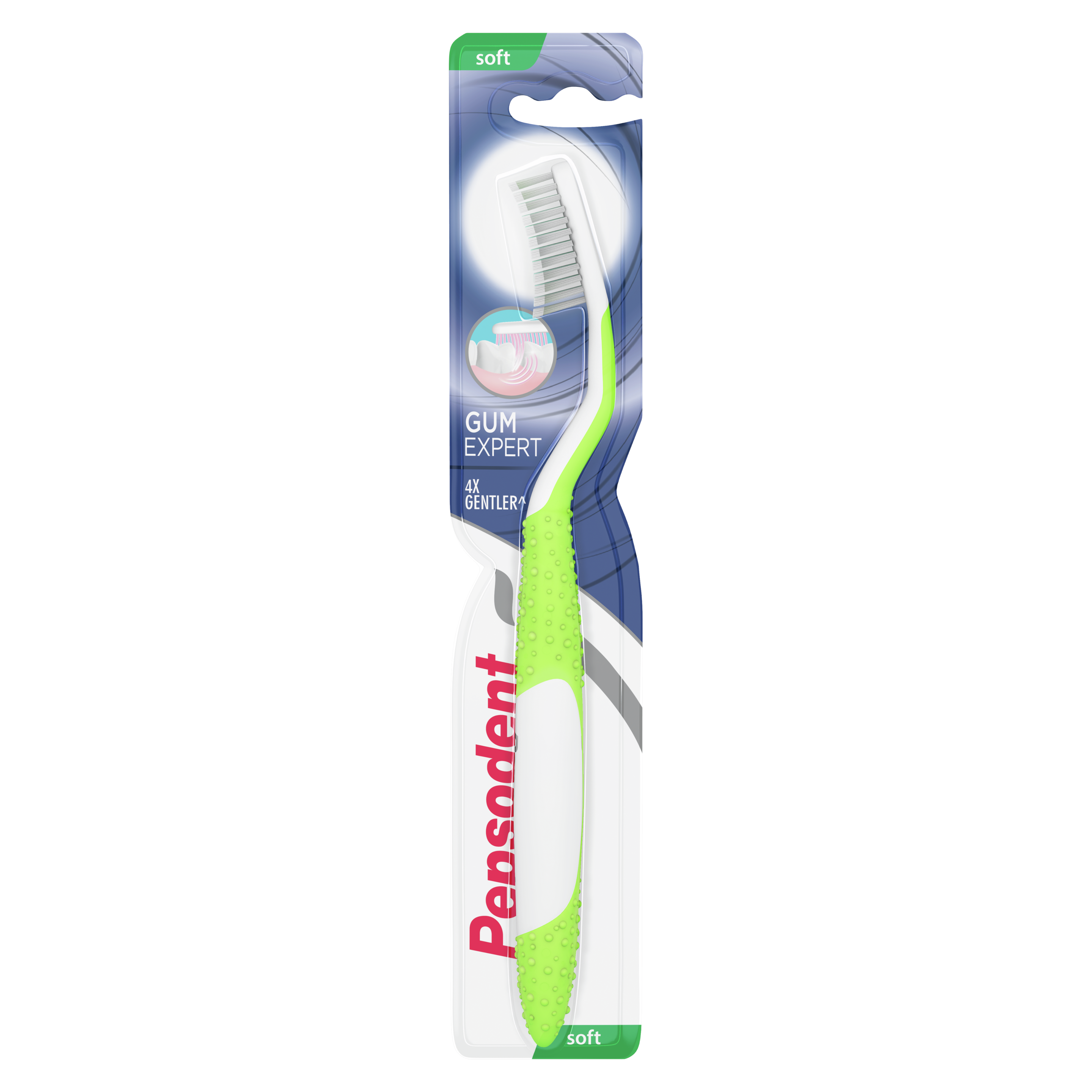
PEPSODENT TOOTHBRUSH 1.000 GR
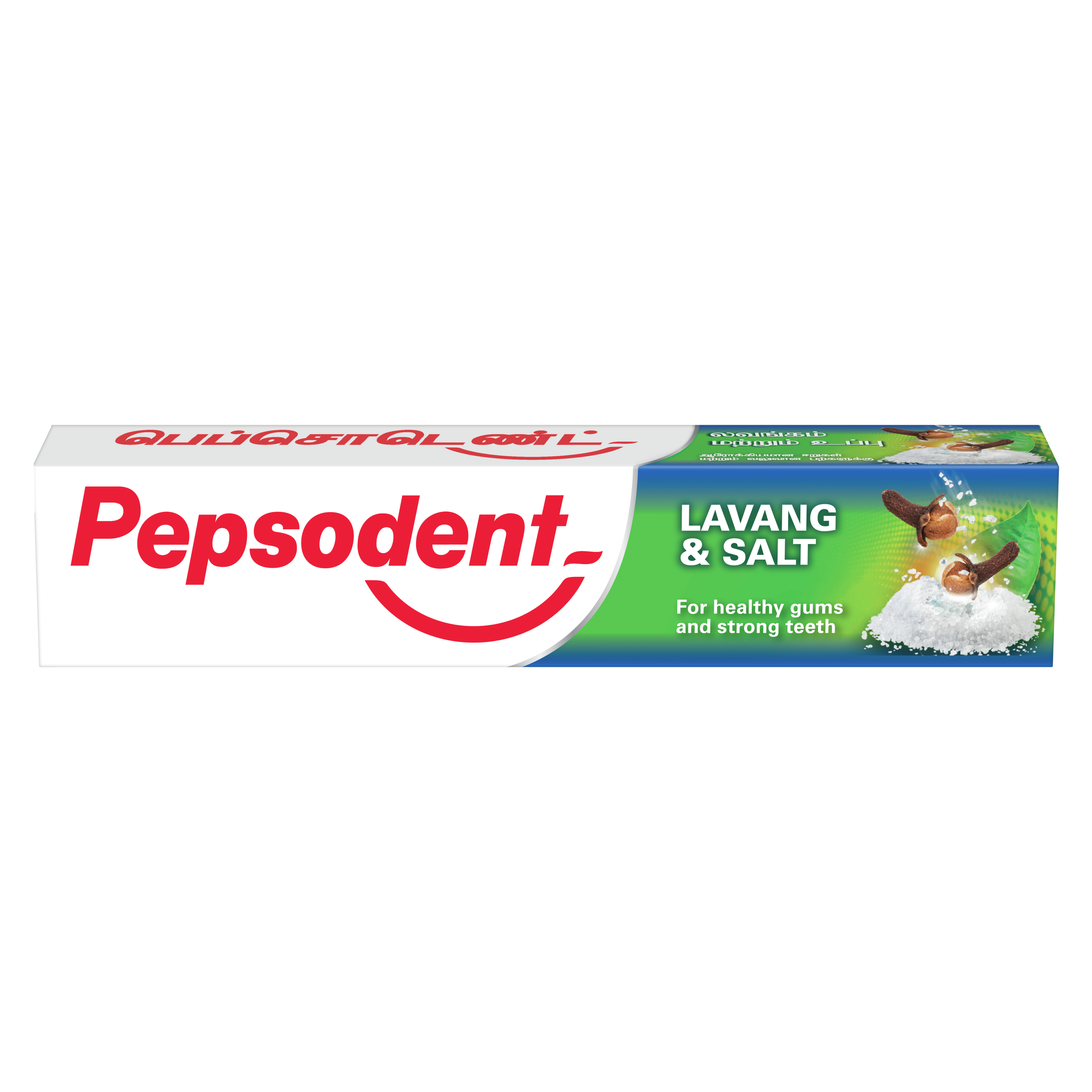
Lavang & Salt are well known for their benefits in oral care. Pepsodent's revolutionary germicheck formula now comes with the power of Lavang & Salt formula.
- Lavang is know to prevent toothache and fight tooth decay.
- Salt is know to help prevent gum problems and give you healthy gums.
- slide 1
- slide 2
- slide 3
- slide 4
- slide 5
- slide 6
Key Takeaways for a Healthy Smile
- Calcium-rich foods like dairy, almonds, and broccoli are essential for strengthening tooth enamel and promoting overall dental health.
- Limit sugary and sticky snacks, as they fuel harmful bacteria that produce enamel-eroding acids.
- Consume acidic citrus fruits in moderation and rinse your mouth with water to protect tooth enamel.
- Choose whole-grain carbohydrates over refined starches to avoid feeding bacteria that cause tooth decay.
- Reduce intake of carbonated soft drinks and alcohol, as they contribute to enamel erosion and dry mouth, impacting gum health.
- Maintain a consistent oral hygiene routine, including brushing, flossing, and rinsing, to complement a tooth-friendly diet.
Carbonated Soft Drinks: A Double Threat
Not only are carbonated soft drinks loaded with sugar, but they also contain phosphoric and citric acids that actively wear away tooth enamel. These acids can significantly contribute to dental erosion, making your teeth more vulnerable to decay. Making an effort to cut down on soft drinks is a crucial step towards better oral health.
Alcohol: Impact on Oral and Overall Health
Beyond its general health implications, alcohol can negatively affect your dental health, contributing to tooth decay and gum disease. Alcohol causes dehydration, which slows down saliva production. Saliva is essential for neutralizing acids and regulating bacteria in the mouth, so reduced flow can lead to an increased risk of oral problems.
It’s natural to indulge in treats and sweet cravings occasionally. The key is balance and consistent oral care. Make sure you stick to a regular routine of brushing, flossing, and rinsing every day. This diligent approach helps keep harmful bacteria at bay, allowing you to enjoy healthier smiles while still savoring life's little pleasures.
Empower Your Smile with Smart Food Choices
Making conscious dietary choices is a powerful step towards maintaining excellent dental health. By understanding which foods are beneficial and which can be detrimental, you can actively protect your teeth from decay and gum issues. Remember, a balanced diet rich in calcium and whole grains, coupled with mindful consumption of sugary and acidic items, forms the cornerstone of a healthy mouth. Combine these smart food choices with a consistent oral hygiene routine for a truly resilient and radiant smile.
Frequently Asked Questions About Dental Health and Diet
Foods rich in calcium, such as milk, cheese, yogurt, almonds, and broccoli, are excellent for strengthening tooth enamel. Whole grains, lean proteins, and fibrous fruits and vegetables also contribute to overall dental health by stimulating saliva production and cleaning teeth naturally.
Sugary foods provide fuel for harmful bacteria in your mouth. These bacteria produce acids that attack and erode tooth enamel, leading to cavities and tooth decay. Sticky sweets are particularly problematic as they cling to teeth for longer periods.
While citrus fruits are rich in vitamins, their high acidity can soften and erode tooth enamel over time. It's advisable to consume them in moderation and rinse your mouth with water immediately afterward to help neutralize the acids and protect your teeth.
Calcium is a fundamental mineral for building and maintaining strong bones and teeth. It helps to fortify tooth enamel, making it more resistant to acid attacks and decay. Adequate calcium intake is crucial throughout life for optimal dental structure.
To protect your teeth, limit your consumption of carbonated soft drinks due to their high sugar and acid content. For alcohol, be aware that it can cause dry mouth, reducing saliva's protective effects. After consuming either, consider rinsing your mouth with water or waiting a while before brushing to avoid further enamel erosion.
A tooth-friendly diet for preventing periodontitis emphasizes whole, unprocessed foods. Focus on plenty of fruits, vegetables, lean proteins, and whole grains. These foods provide essential nutrients and fiber, which support gum health and reduce inflammation. Limiting sugary and refined carbohydrates is also crucial, as they can exacerbate gum issues.