Skip to:


Gingivitis, an early stage of gum disease, is a common inflammation of the gums primarily caused by the accumulation of plaque along the gum line. This irritation can lead to noticeable symptoms such as reddish, tender, or bleeding gums, and even bad breath. Recognizing these signs early is crucial, as gingivitis is reversible and can be effectively managed before it progresses to more severe periodontal disease. Understanding the causes and symptoms of gingivitis is the first step towards maintaining optimal gum health and preventing further complications.
Key Takeaways for Healthy Gums
- Gingivitis is reversible: Early detection and proper oral hygiene can prevent it from advancing to more serious gum disease.
- Plaque is the primary cause: Regular brushing and flossing are essential to remove plaque and prevent gum inflammation.
- Symptoms to watch for: Red, tender, bleeding, or receding gums, along with persistent bad breath, are key indicators of gingivitis.
- Age and genetics play a role: While common with aging, maintaining good oral care can mitigate risks. Genetic predispositions also highlight the importance of regular dental check-ups.
- Medication side effects: Certain medications can impact gum health, making it vital to inform your dentist about any prescriptions.
- Daily oral care is key: Using a toothpaste like Pepsodent Germicheck 8 can help maintain gum health by fighting germs and slowing plaque growth.
If your gums bleed every time you brush your teeth, it's advisable to book an appointment with your dentist. A professional dental cleaning may be necessary to remove hardened plaque, also known as tartar, which can contribute to gum irritation. For daily care, consider using a toothpaste designed to support gum health, such as Pepsodent Germicheck 8. This toothpaste is formulated to help slow down plaque growth and fight germs on teeth, tongue, cheeks, and gums, contributing to whole mouth protection.
Understanding How Health Changes with Age Can Affect Gums
While gum disease can affect anyone, it tends to be more prevalent among older adults. Statistics indicate that a significant percentage of people over 65 years may experience some form of gum disease. As a natural part of life, aging brings various health considerations, but maintaining a healthy lifestyle, including consistent oral hygiene, can significantly reduce the risk of gum issues in later years. Establishing a robust dental care routine early in life is key to preventing gum disease as you age.
Additionally, if you are a smoker, considering quitting can offer substantial health benefits, including improved dental health and a fuller life in your later years, by preventing potential oral and systemic health issues.
Explore Pepsodent Products for Gum Health
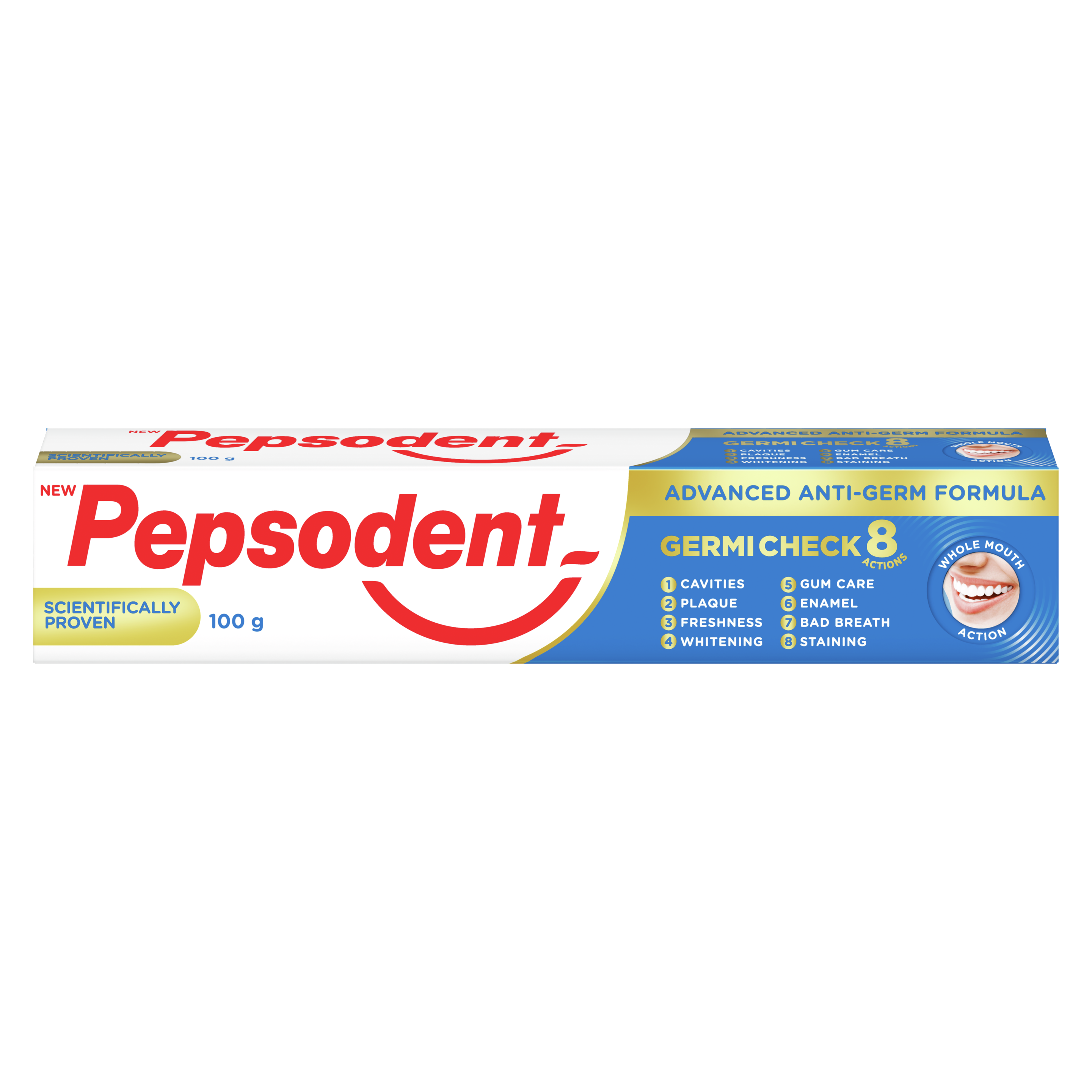
Choose New Pepsodent Germicheck 8 Actions toothpaste for the family’s whole mouth protection.
It contains an advanced anti-germ formula with CPC technology, clove and neem oil that fights germs not only on your teeth, but on other parts of the mouth as well – your tongue, cheeks, and gums, to give you 8 scientifically proven benefits for the whole mouth.
1. Cavity protection
2. Removal of plaque
3. Fights bad breath
4. Healthy gums
5. White Teeth
6. Gives Fresh breath
7. Protects the Enamel
8. Protects teeth from staining
It contains an advanced anti-germ formula with CPC technology, clove and neem oil that fights germs not only on your teeth, but on other parts of the mouth as well – your tongue, cheeks, and gums, to give you 8 scientifically proven benefits for the whole mouth.
1. Cavity protection
2. Removal of plaque
3. Fights bad breath
4. Healthy gums
5. White Teeth
6. Gives Fresh breath
7. Protects the Enamel
8. Protects teeth from staining
- slide 1
Oral Side Effects of Medication and Gum Health
When you visit your dentist, it's important to inform them about any medications you are currently taking. This information helps them provide an accurate diagnosis and appropriate treatment plan, especially if you have underlying medical conditions such as heart disease, hypertension, diabetes, or arthritis. Certain medications can have side effects that may impact your oral health, including your gums.
Some common oral side effects associated with various medications include:
- Dry mouth (xerostomia): Saliva plays a vital role in preventing infections by regulating bacteria in the mouth. However, some medications can reduce saliva production, leading to dry mouth, which can negatively affect gum health. Your dentist might suggest ways to stimulate saliva flow or recommend specific products.
- Abnormal bleeding: Medications like aspirin and anticoagulants (blood thinners) are prescribed to prevent blood clots, reducing the risk of stroke. However, they can also increase the likelihood of gum bleeding. If you are on blood thinners, inform your dentist so they can take necessary precautions to manage bleeding during any dental procedures.
- Mouth sores: Certain medications, including those for blood pressure control and oral contraceptives, can sometimes cause inflammation of the soft tissues in the mouth. Discussing these side effects with your dentist can help them recommend a tailored oral hygiene plan to alleviate discomfort.
The Influence of Family Genetics on Gum Health
Unfortunately, some dental health challenges, including susceptibility to gingivitis, can be influenced by our genetic makeup. Even with a diligent oral care routine, some individuals might still experience gingivitis due to genetic factors. However, this should not be a deterrent. Consulting with your dentist is crucial, as they can provide personalized advice and treatment options tailored to your specific genetic predispositions. Achieving good oral health is possible once you understand the underlying causes and consistently follow professional guidance.
Effective Prevention Strategies for Gingivitis
While genetic factors can influence gum health, there are proactive steps you can take to strengthen your gums and help prevent gingivitis. A consistent and thorough oral hygiene routine is paramount. This includes brushing twice daily, flossing regularly, and using a mouthwash. Incorporating a toothpaste specifically designed to support gum health, such as Pepsodent Germicheck 8, can also be beneficial in your daily prevention efforts.
Prioritizing Your Gum Health: A Path to a Brighter Smile
As we've explored, the causes of gingivitis can vary, ranging from plaque buildup to broader health issues like medication side effects and genetic predispositions. Regardless of the reason, effective solutions are always available. The key to maintaining healthy gums and preventing gingivitis lies in a proactive approach: regular visits to your dentist for check-ups and professional cleanings, coupled with a diligent daily oral care routine that includes brushing, flossing, and rinsing. By understanding the factors that contribute to gum inflammation and taking consistent action, you can protect your oral health and ensure a confident, healthy smile.
Frequently Asked Questions About Gingivitis
The primary cause of gingivitis is the accumulation of plaque, a sticky film of bacteria, on your teeth and along the gum line. If not removed through regular brushing and flossing, plaque hardens into tartar, further irritating the gums and leading to inflammation.
Common symptoms of gingivitis include red, swollen, or tender gums, gums that bleed easily during brushing or flossing, receding gums, and persistent bad breath. You might also notice a change in the color of your gums from a healthy pink to a darker red.
Yes, gingivitis is the earliest stage of gum disease and is typically reversible with proper oral hygiene and professional dental care. This includes thorough daily brushing and flossing, along with regular dental check-ups and cleanings to remove plaque and tartar.
As we age, our bodies undergo various changes, which can sometimes impact gum health. Older adults may be more susceptible to gum disease due to factors like reduced saliva flow, certain medications, or systemic health conditions. Maintaining a consistent oral care routine becomes even more crucial with age.
Yes, some medications can contribute to gingivitis or worsen gum health. For example, certain drugs can cause dry mouth, which reduces saliva's protective effects, while others may lead to gum overgrowth or increase the likelihood of bleeding. Always inform your dentist about all medications you are taking.
While good oral hygiene is essential for everyone, some individuals may have a genetic predisposition to gingivitis or other gum diseases. This means that even with diligent care, they might be more susceptible. If gum disease runs in your family, discuss this with your dentist for personalized prevention and treatment strategies.
The most effective way to prevent gingivitis is through excellent daily oral hygiene: brush your teeth twice a day with a fluoride toothpaste, floss daily to remove plaque between teeth, and use an antiseptic mouthwash. Regular dental check-ups and professional cleanings are also vital for removing hardened plaque (tartar) and monitoring your gum health.