Skip to:

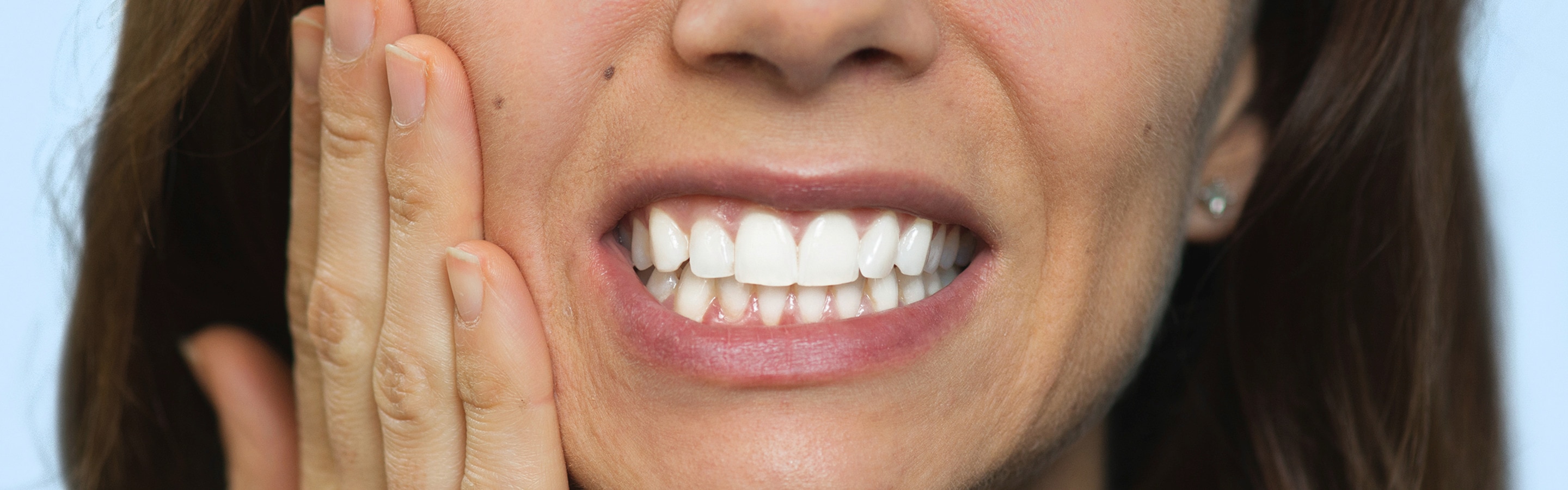
Tooth enamel, the strongest substance in the human body, is surprisingly delicate. Unlike other parts of your body, enamel cannot repair itself once damaged, making it crucial to protect it from fracture and cavities. While daily brushing and flossing are essential, many everyday, unconscious habits can silently harm your oral hygiene and overall dental health. Understanding these common habits is the first step towards breaking them and safeguarding your smile.
Understanding Habits That Harm Your Teeth
Many seemingly harmless daily actions can gradually erode your tooth enamel and lead to significant dental issues. Recognizing these habits is key to maintaining a healthy mouth and preventing potential pain in teeth.
The Impact of Biting Your Fingernails
Biting your nails is a common habit that can have serious consequences for your dental health. Beyond transferring bacteria from your hands to your mouth, this habit can wear down your enamel and chip your front teeth. Continuous pressure can also misalign your jaw over time.
Why Using Your Teeth as Tools is Risky
While your teeth are incredibly strong, they are designed specifically for eating. Using them to open bottles, tear packages, or hold objects puts immense, unnatural stress on your teeth, significantly increasing the risk of fractures, chips, and even root damage. This can lead to unexpected pain in teeth and costly dental visits.
The Dangers of Crunching on Ice
That satisfying crunch of ice might feel refreshing, but the drastic temperature change and hard texture can be detrimental to your teeth. The sudden contraction and expansion can cause microscopic cracks in your enamel, making your teeth more susceptible to fractures and sensitivity. This is especially true if you have existing fillings or crowns.
Is Chewing Pens and Pencils Bad for You?
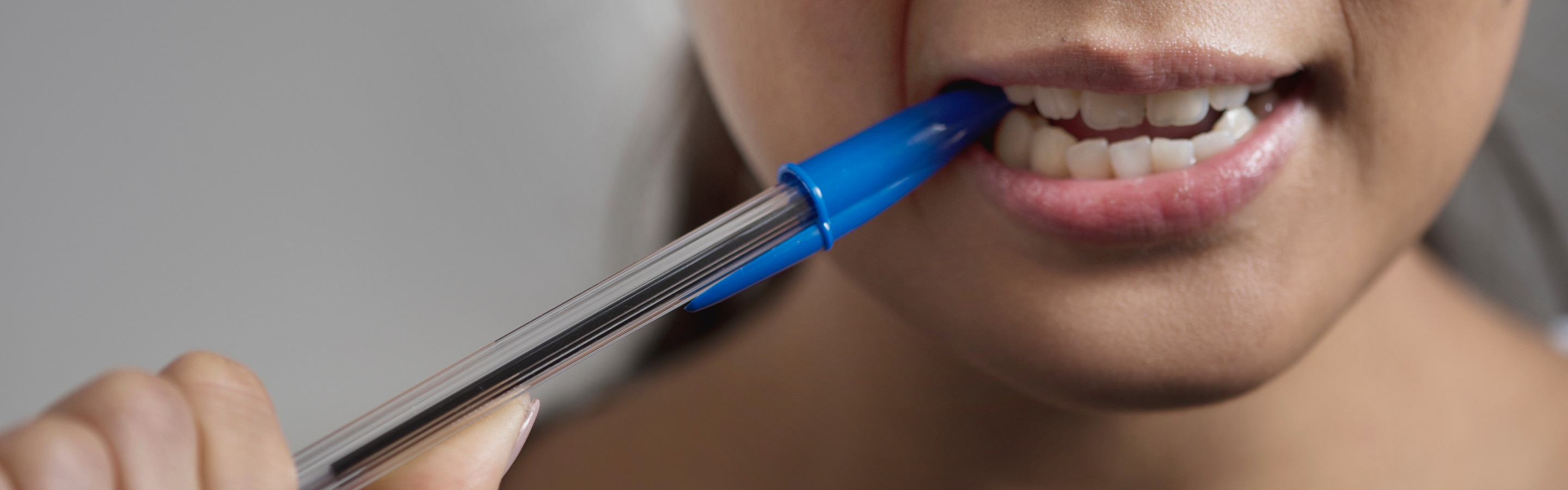
Many people find themselves chewing on pens or pencils, especially when concentrating or feeling stressed. While the damage might not be immediate, this continuous habit can lead to significant wear on your enamel, create hairline cracks, and even cause teeth to shift. If you're wondering, "is chewing pens bad for you?" or "is chewing pencils bad for you?", the answer is yes, it can contribute to long-term dental problems like pain in teeth and cavities.
Key Takeaways for a Healthier Smile
- Enamel Protection: Tooth enamel is vital and cannot repair itself, making protection from daily habits crucial.
- Common Harmful Habits: Nail-biting, using teeth as tools, crunching ice, and chewing pens can severely damage your teeth.
- Risk of Fractures & Chips: These habits put unnatural stress on teeth, leading to cracks, chips, and potential pain.
- Bacterial Transfer: Nail-biting can introduce harmful bacteria into your mouth, affecting oral hygiene.
- Mindful Alternatives: Simple changes like using proper tools or sugar-free gum can help break these habits.
- Long-Term Health: Breaking these habits contributes significantly to maintaining strong, healthy teeth and preventing future dental issues.
Protect Your Smile: Simple Steps to Break Harmful Habits
Pepsodent Recommends for Stronger Teeth
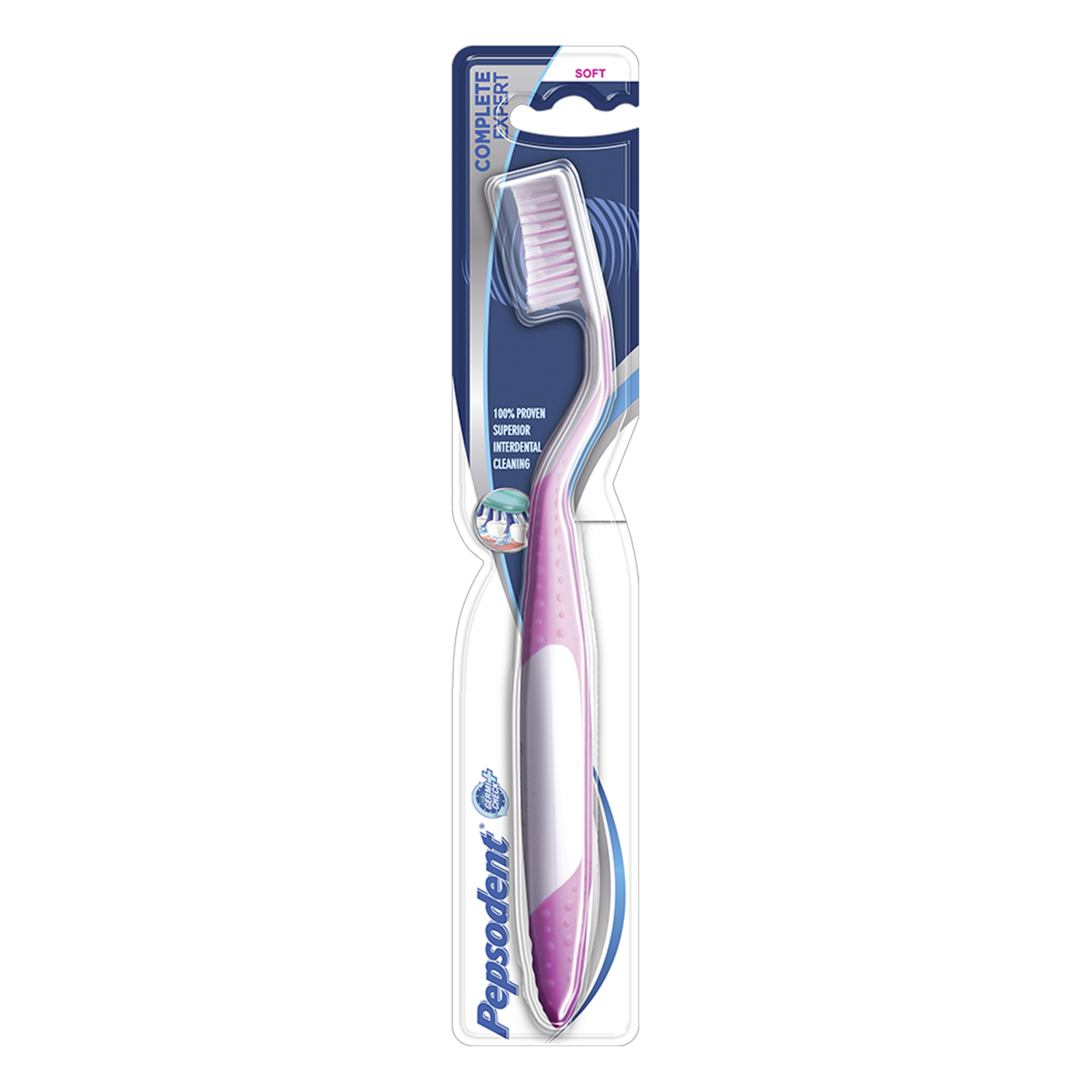
The Pepsodent Expert Pro Complete Toothbrush ensures that your oral health is maintained. The toothbrush is equipped with gentle yet effective bristles.
- 3-Angled neck lets the Brush reach difficult areas for a healthy, whole mouth cleanse.
- Unique bristles with PTFE for floss-like superior interdental cleaning action.
- Exclusive lamella toothBrush works with toothpaste to remove stains with each brushing action.
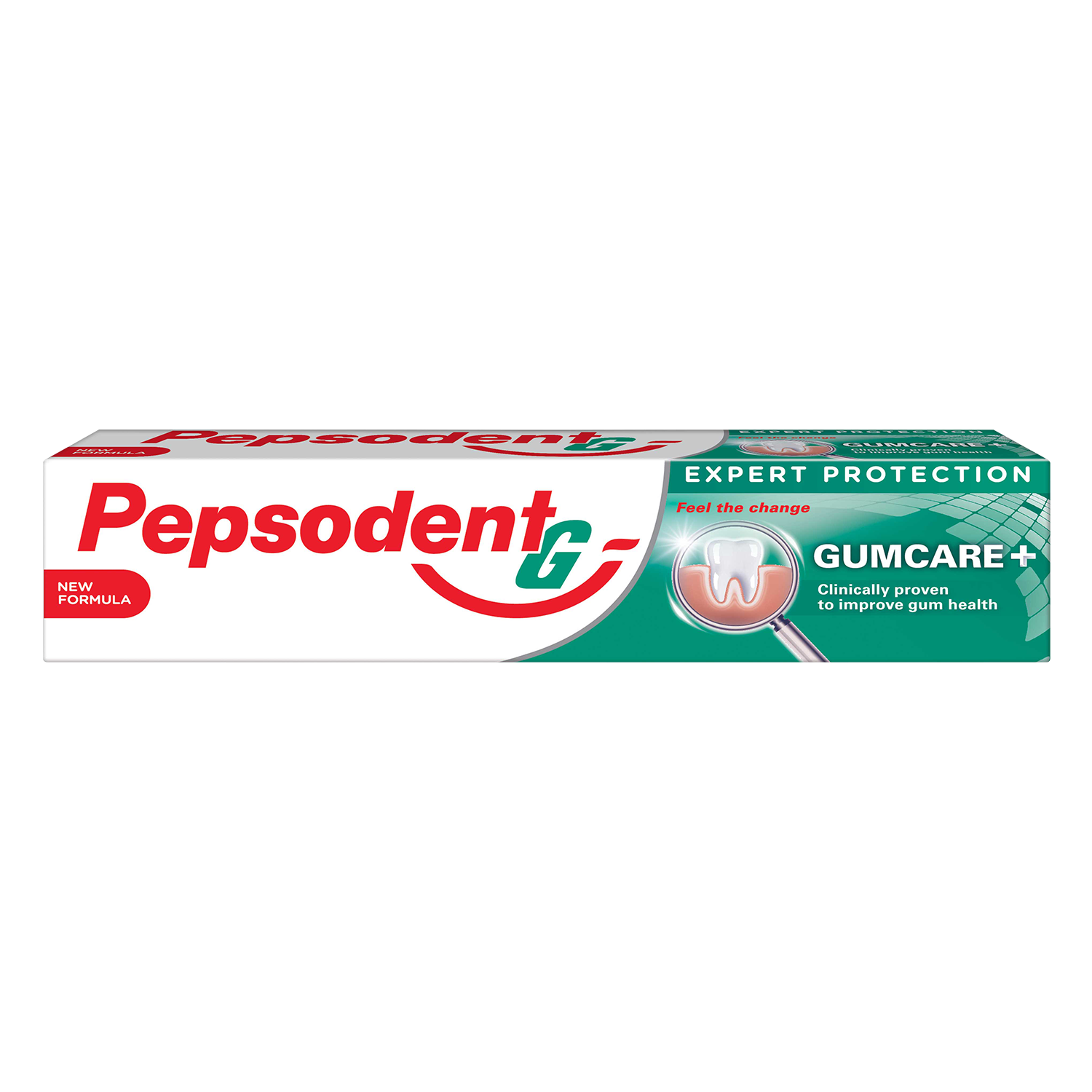
PEPSODENT TOOTH PASTE 140.000 GR

PEPSODENT TOOTH PASTE 150.000 GR
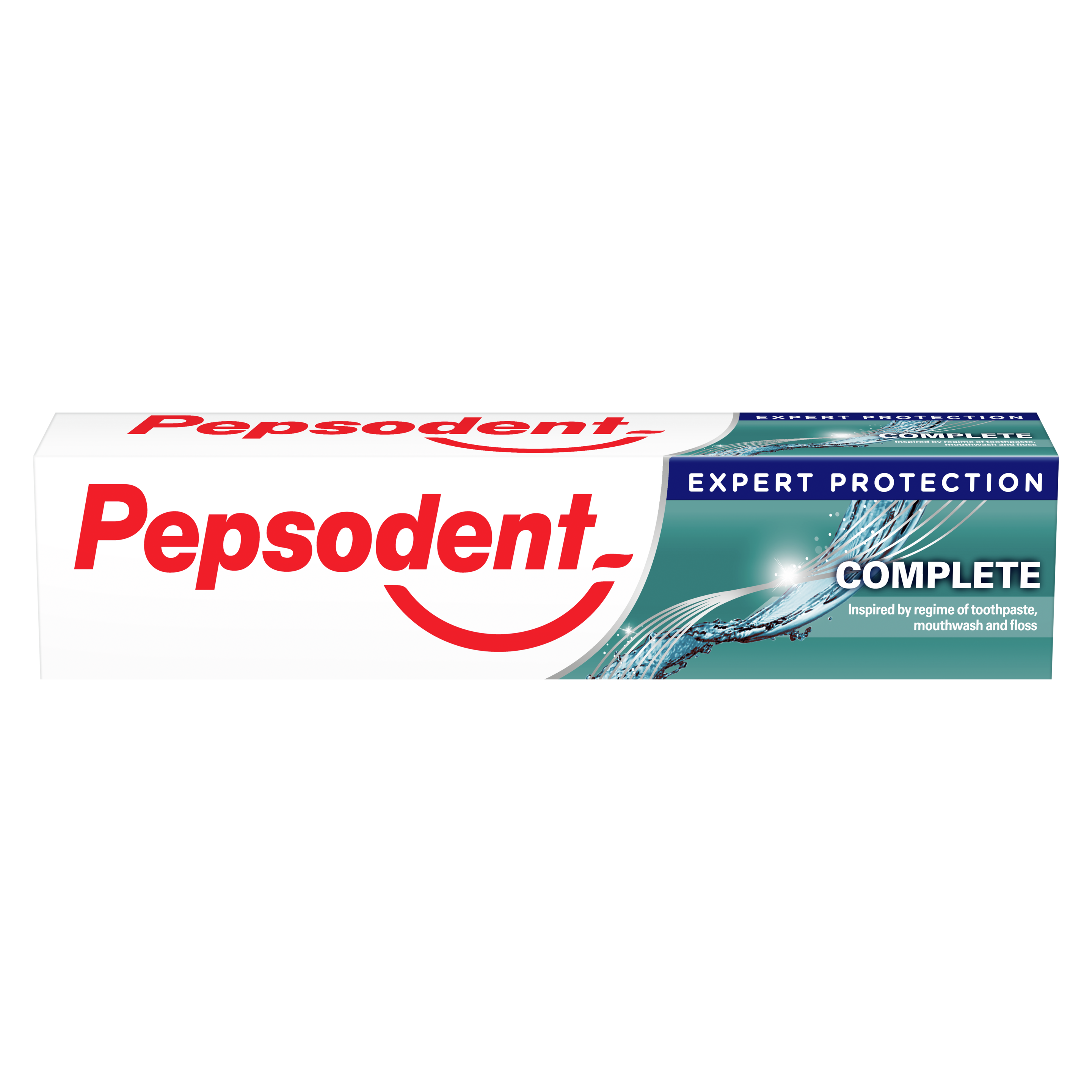
PEPSODENT TOOTH PASTE 140.000 GR
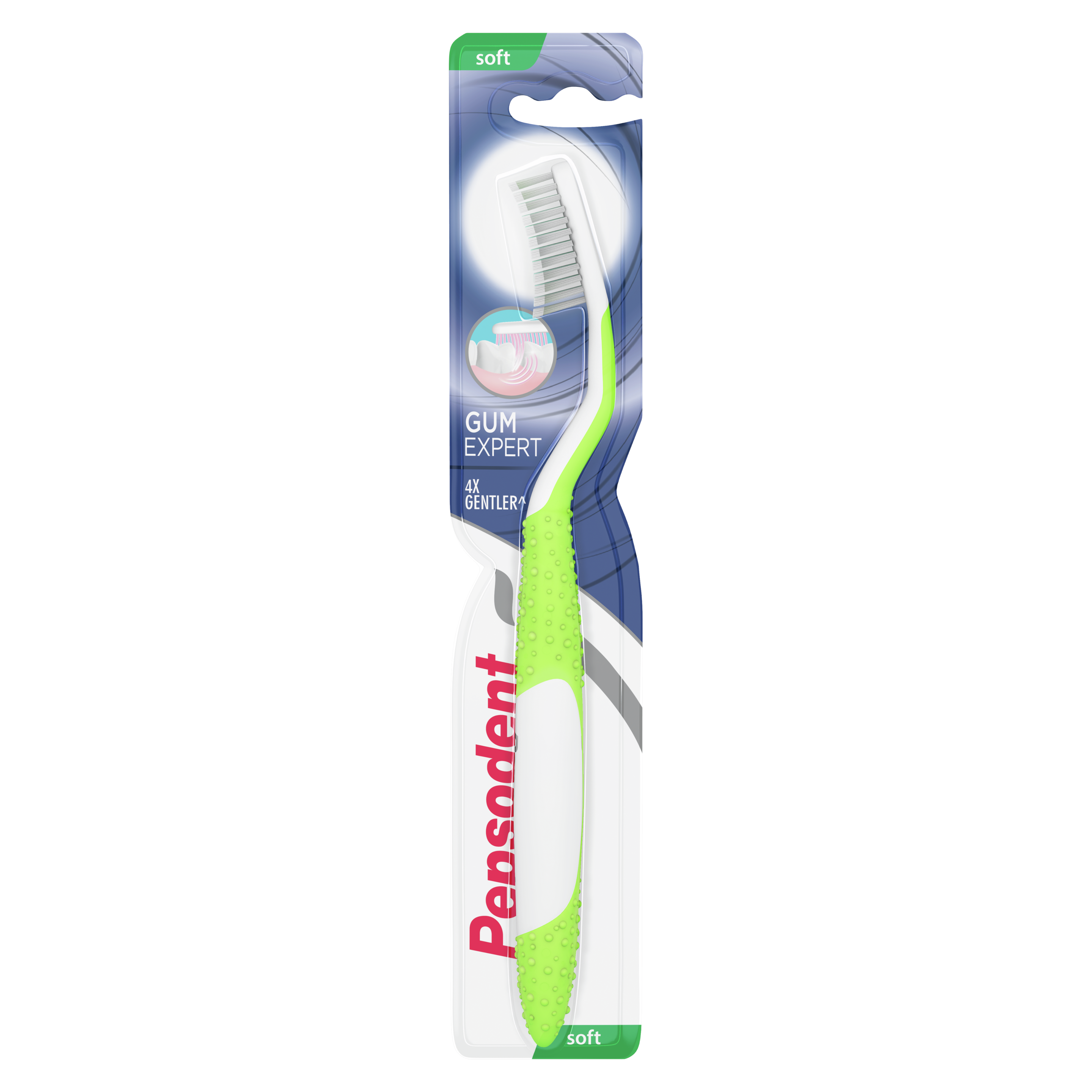
PEPSODENT TOOTHBRUSH 1.000 GR
- slide 1
- slide 2
- slide 3
- slide 4
- slide 5
Embrace a Healthier Smile Today
By becoming more aware of your daily habits, you have the power to protect your precious tooth enamel and prevent unnecessary dental issues. Breaking habits like nail-biting, using teeth as tools, crunching ice, or chewing on pens and pencils can significantly improve your oral health. Embrace these mindful changes to enjoy a healthier, more confident smile for years to come. Remember, a little attention goes a long way in maintaining strong, beautiful teeth.
Frequently Asked Questions About Dental Habits
Tooth enamel is the hard, protective outer layer of your teeth. It's the strongest substance in your body, but unlike bone, it cannot regenerate or repair itself once damaged. Enamel protects your teeth from decay, sensitivity, and physical harm, making its preservation crucial for long-term oral health.
To break the habit of nail-biting, try keeping your hands busy with alternatives like a stress ball, fidget spinner, or by tapping your fingers. You can also try applying bitter-tasting nail polish or keeping your nails neatly trimmed. Recognizing triggers and finding healthier coping mechanisms are key steps.
Using your teeth as tools puts them under extreme, unnatural pressure, significantly increasing the risk of chipping, cracking, or fracturing a tooth. This can lead to severe pain in teeth, nerve damage, and expensive dental repairs. Always use appropriate tools for the task.
Yes, chewing on ice can be very harmful. The hard, cold nature of ice can cause microscopic cracks in your tooth enamel, making your teeth more vulnerable to cavities and sensitivity. It can also lead to chipped or fractured teeth, especially if you have existing fillings or crowns. Opt for sugar-free gum instead.
While it might seem harmless, continuous chewing on pens or pencils can lead to gradual wear and tear on your tooth enamel. Over time, this can cause hairline cracks, chips, and even shift your teeth, potentially resulting in pain in teeth or the need for orthodontic treatment. It's best to avoid this habit.
The safest and most effective way to remove food stuck between your teeth is by using dental floss or an interdental brush. These tools are designed to gently clean between teeth without damaging your gums or enamel. Avoid using toothpicks aggressively, as they can cause gum irritation or injury.